
Note: This is an ante-dated post (actual date of events)
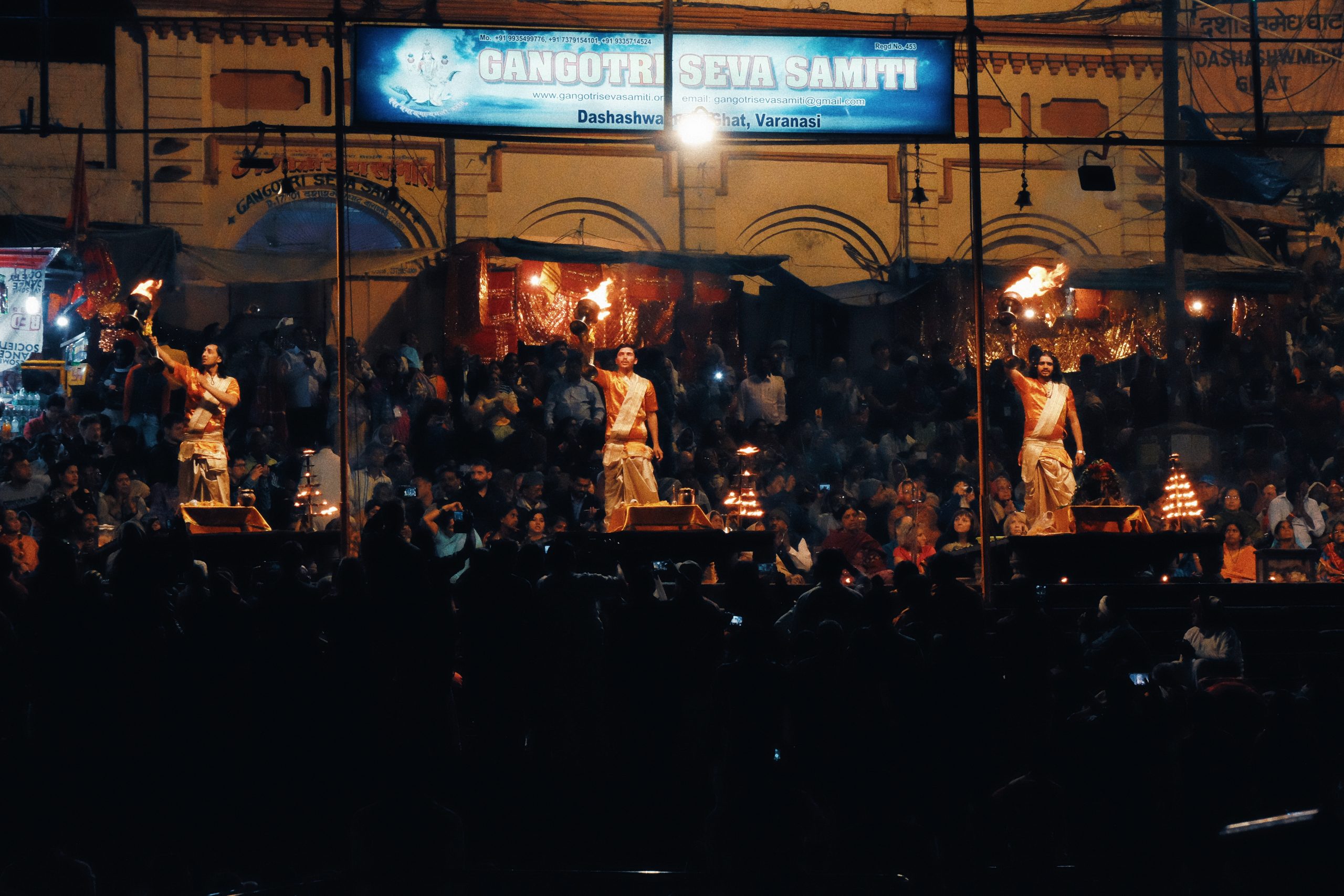
February 12-13, 2018. It is both a disturbing and a solemn experience to witness burning bodies as you walk along either of the two ghats (stepped segments on the river bank) dedicated to the cremation ritual along the Ganges. Hindus believe that the Ganges, particularly in Varanasi, is the most sacred place to die, and that cremation along its banks breaks the never-ending cycle of life, death and tragedy and delivers one’s soul to moksha.
As a matter of fact, some Hindu families prepare for the expected deaths of loved ones in Varanasi for the purpose of having their relatives fatefully die in this sacred place. Some Hindu individuals who feel like they are near their deaths, travel to the city and lodge at hospices near the river especially established for those who wish to make their death beds, waiting for the day they perish.
Note: This is an ante-dated post (actual date of events).
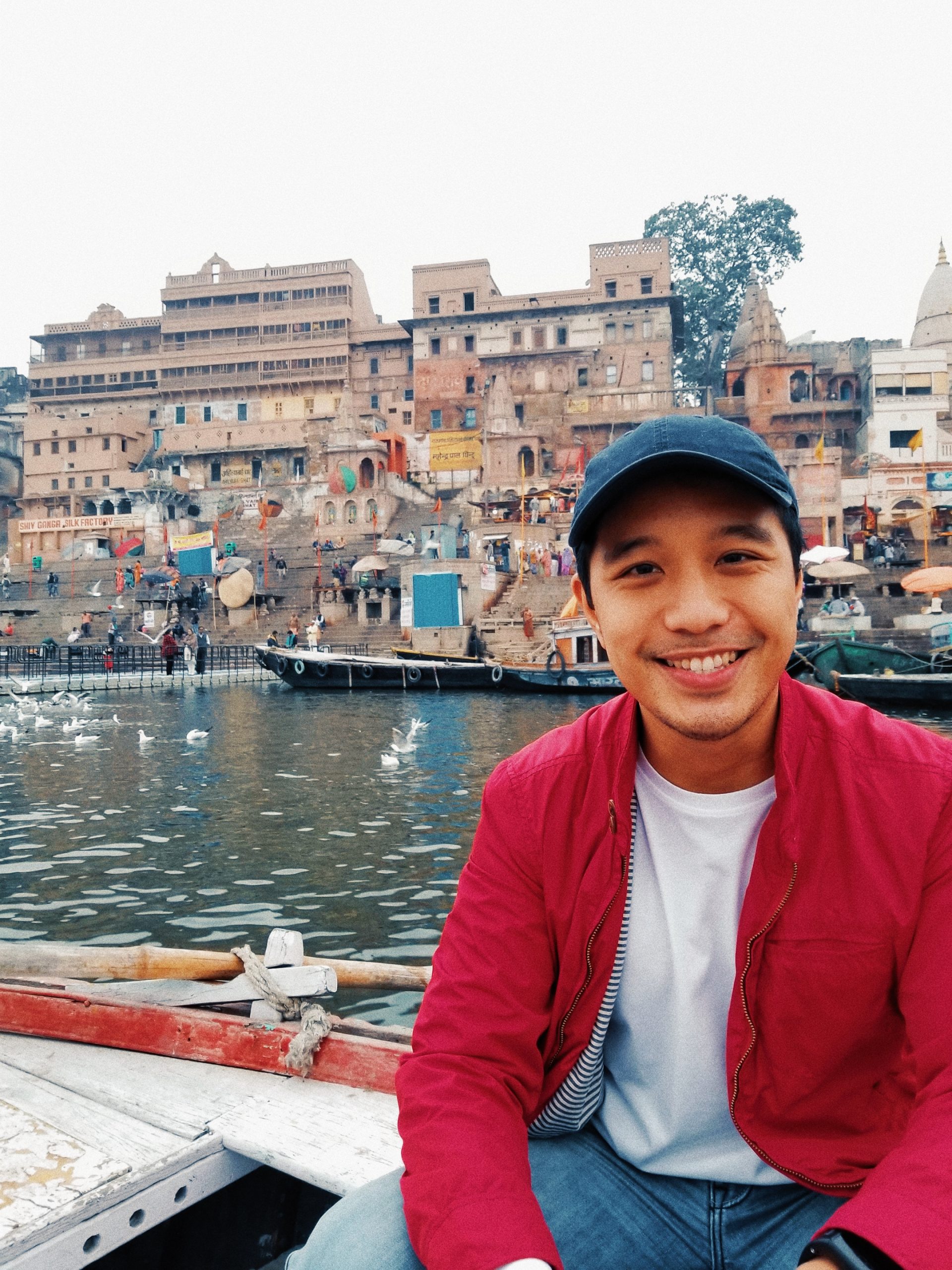
February 12 – 13, 2018. Some experts claim that the Ganges is one of the most polluted rivers in the world. Despite this reputation, thousands of devotees bathe each day in its waters at the city of Varanasi in Uttar Pradesh–believing that immersing in its waters helps purify their souls and facilitate moksha, or the liberation from the recurring cycle of rebirth and tragedy. Or at least they get good karma, although I am not so sure good karma is all they’re getting from the water.
Great efforts are being exerted to reverse the pollution. And this is not impossible because the Ganges is a moving river constantly drained by monsoon and upland waters from the Himalayas.

I arrived in Varanasi after a gruelling 36-hours and four-flights voyage from Manila. It was originally supposed to be just a three-flight trip in under a day, but since I had booked my flights almost a year ahead of my travel, one of the segments apparently got discontinued along the way. Thus, instead of flying directly to Varanasi from Kolkata, I had to fly all the way west to Delhi and then turn back east to reach Varanasi.
Watch this travel reel I made of my trip to Vietnam some weeks ago. Includes shots from Hoi An, Da Nang, Ninh Binh and Hanoi.
The past week saw the Philippines conclude its Chairmanship of the Association of Southeast Asian Nations (ASEAN) in a grand hosting of the 31st ASEAN Summit and Related Summits in Manila from November 10-14.
I make a point to put this in posterity in my blog because a significant part of my work as a civil servant this year involved preparations and execution of various tasks in line with the responsibilities of the Presidential Communications Operations Office as lead agency of the ASEAN National Organizing Council’s Committee on Media Affairs and Strategic Communications (CMASC).
In my opinion, given the circumstances at hand, the CMASC did a good job in hosting the international media centers during the two major ASEAN Summits this past week and last April, and during the 50th ASEAN Anniversary and Ministerial Meeting last August. Aside from that, it was able to execute and implement various grassroots programs and campaigns to promote, educate and inform stakeholders on ASEAN related information. It also provided publicity and communications support throughout the year to more than two hundred ASEAN-related meetings and commemorative events.
Gusto ko iparating ang taos-puso kong pasasalamat sa lahat ng bumati. Hindi ko man kayo mapasalamatan isa-isa, nabasa ko lahat ng mga messages ninyo at masaya ako na bahagi kayo ng kaganapang ‘to.
Congratulations to all the parents who made this happen for all us new lawyers. This achievement is yours. Congratulations and thank you!
‘Di ko alam kung sa Pilipinas lang ganito natin idina-dakila ang pagiging abogado. I have a theory that more than the fact na napakahirap maging abogado sa Pilipinas, malaki ang pagtingin natin sa mga abogado at ganoon na lang kung ipagdiwang ang pagkakapasa sa bar exam dahil sa pangangailangan ng indibidwal, pamilya, at mga grupo na pangalagaan at ipaglaban ang kani-kanilang interes. Perhaps a manifestation of the many contradictions in society, or of its weak institutions that families celebrate having the advantage of having a lawyer to protect their interests. But that is for social scientists to discuss adequately. Othwerise, what are lawyers for, really?
This question was asked of several candidates for the Senate elections in a forum held last January 29 at the University of the Philippines (UP) in Diliman. Not all Senate hopefuls agree.
Many candidates rely on the often invoked mantra that justify tuition increases in state universities: “Rich students should pay,” or, “Those who can pay must pay.” These are all but familiar lines that are invoked by those who support and continue to support the current “socialized tuition scheme” in UP.
So should all students study for free? Absolutely, yes!